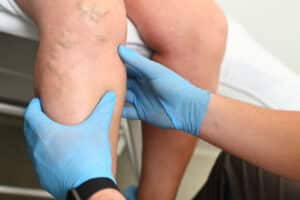
Many people see varicose veins as a cosmetic issue—bulging, twisted veins that can make you feel self-conscious in shorts or swimsuits. While their appearance is often the reason patients first seek treatment, these veins can also signal health problems beneath the surface. Knowing when to worry about varicose veins is important because, in some cases, they are more than skin-deep.
At Ashpole Plastic Surgery, we believe that being informed is the first step toward healthy choices. Let’s explore what varicose veins are, why they form, and when they may require professional care.
What Are Varicose Veins?
Varicose veins develop when the one-way valves inside your veins stop working properly. Instead of blood flowing smoothly back toward the heart, it can pool inside the vein, causing the vessel to stretch and become twisted. They most commonly appear on the legs and feet, since standing and walking put pressure on the lower body’s veins.
Factors that increase the risk of varicose veins include:
- Genetics and family history
- Age, as veins weaken over time
- Pregnancy, due to increased blood volume and hormonal changes
- Jobs that require long periods of standing or sitting
Not all varicose veins require medical treatment, but some do. Recognizing the difference is key.
When Varicose Veins Are Just Cosmetic
For many people, varicose veins cause little to no discomfort. They may be unsightly, but they don’t always lead to pain or complications. If you’re otherwise healthy and your veins aren’t bothering you, you may not need immediate treatment. Lifestyle adjustments—like elevating your legs, wearing compression stockings, or maintaining a suitable weight—can help reduce their appearance and slow their progression.
Still, even when they aren’t causing symptoms, some patients choose treatment for cosmetic reasons. Modern options like laser therapy make it easier than ever to restore smoother-looking legs.
When To Worry About Varicose Veins
While not every varicose vein is dangerous, there are signs that should not be ignored. You should consider a professional evaluation if you notice:
Persistent Pain or Heaviness
A feeling of aching, throbbing, or heaviness in your legs—especially after standing for long periods—can indicate that your veins are under too much pressure.
Swelling in the Legs or Ankles
Occasional mild swelling can be normal, but consistent or worsening swelling may suggest circulation issues that need medical attention.
Skin Changes Around the Vein
If the skin near your varicose veins becomes itchy, discolored, or develops a rash, it may be a sign of venous insufficiency. Over time, the skin may become thinner or more fragile, increasing the risk of ulcers.
Open Sores or Ulcers
Leg ulcers that do not heal easily can develop from untreated varicose veins. These sores are painful, difficult to manage at home, and require medical care.
Bleeding Veins
Because varicose veins are close to the surface of the skin, they can sometimes bleed after even minor injuries. Any unexplained bleeding from a vein should be addressed promptly.
Sudden Pain and Swelling in One Leg
This could be a sign of a blood clot, also known as deep vein thrombosis (DVT). DVT is a serious medical condition that requires immediate attention.
Why You Shouldn’t Ignore the Warning Signs
Ignoring symptoms can allow small problems to grow into larger ones. Varicose veins that cause swelling, pain, or skin changes are not just cosmetic—they reflect underlying circulation issues. Left untreated, complications such as chronic venous insufficiency or leg ulcers may develop, leading to more complex and costly treatments later.
Catching these signs early allows for minimally invasive options, often performed right in the office with little downtime.
Treatment Options for Varicose Veins
Modern treatments are far more comfortable and effective than the surgical vein stripping procedures of the past. At Ashpole Plastic Surgery, options may include:
- Laser vein treatments that collapse and seal problem veins with precise energy.
- Sclerotherapy, where a solution is injected into the vein, causing it to close and fade.
- Endovenous laser therapy (EVLT) treats larger varicose veins using a thin fiber placed inside the vein.
These methods redirect blood flow to healthier veins, relieving symptoms and improving appearance.
Preventing Varicose Veins from Getting Worse
While you can’t always prevent varicose veins, you can reduce the risk of them worsening. Helpful steps include:
- Staying active and moving regularly
- Avoiding long periods of sitting or standing
- Maintaining a healthy weight
- Wearing compression stockings if recommended by your doctor
- Elevating your legs at the end of the day
These habits support healthy circulation and can make your treatment results last longer.
When To Seek Professional Help
If you’ve ever wondered when to worry about varicose veins, the answer is simple: when they cause discomfort, affect your quality of life, or show signs of complications. Even if you’re unsure, a consultation can provide you with valuable peace of mind. A quick evaluation can determine whether your veins are harmless or in need of treatment.
Take the Next Step Toward Healthier Legs
If you’re experiencing painful, swollen, or bothersome veins, don’t wait until symptoms get worse. At Ashpole Plastic Surgery, Dr. Bradley Ashpole and his team combine advanced technology with personalized care to provide safe and effective solutions for varicose and spider veins.
Call us today at (847) 884-8346 to schedule your consultation and learn more about your options. Clearer, healthier legs are within reach, and we’re here to help you take the first step.